

From Grandma's Kitchen to My Own: Baking Traditions Passed Through Generations

Baking has always been more than just mixing ingredients and heating them in the oven. For me, it started in my grandma’s kitchen when I was a young girl. The warm scent of freshly baked bread, the sound of the mixer whirring, and the joy of sharing sweet treats with family created memories that shaped my love for baking. Now that I am a grandma myself, I feel a deep desire to pass along these creations and traditions to the next generation. This post explores how baking traditions connect us across time, the lessons I learned from my grandma, and how I continue to nurture those bonds in my own kitchen.
The Heart of Grandma’s Kitchen
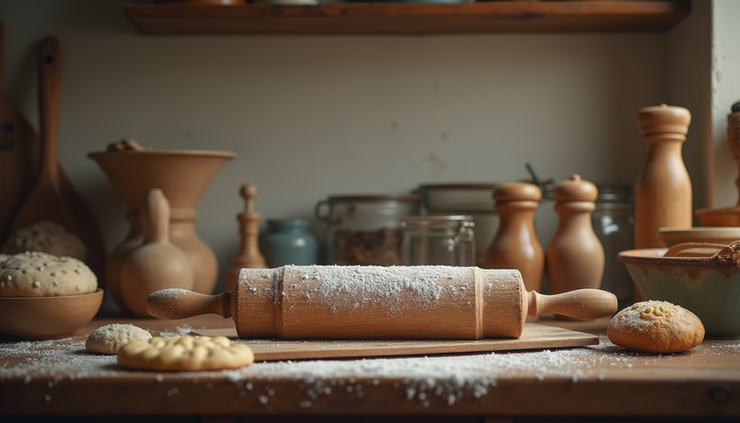
My grandma’s kitchen was the heart of our home. It was a place where stories were told, laughter echoed, and recipes were handed down like precious heirlooms. The kitchen was modest but filled with charm: wooden cabinets worn smooth by years of use, a large wooden table where dough was kneaded, and shelves lined with jars of spices and baking essentials.
She taught me that baking is about patience and care. Every recipe had a story, and every ingredient was chosen with love. For example, her famous apple pie wasn’t just about apples and sugar; it was about picking the right apples from the orchard, peeling them carefully, and mixing the spices just so. Watching her work, I learned that baking is a form of expression and connection.
Lessons from the Past: What I Learned Baking with Grandma
Spending time baking with my grandma taught me more than just recipes. Here are some of the key lessons that have stayed with me:
Patience is essential
Baking requires waiting for dough to rise or cakes to cool. Grandma always reminded me that rushing ruins the process.
Quality ingredients matter
She insisted on fresh, local ingredients whenever possible. The difference in taste was clear.
Imperfect is beautiful
Not every pie was perfectly shaped, but each one was made with care and tasted wonderful.
Sharing brings joy
Baking was never just for us. Grandma loved giving her treats to neighbors, friends, and family.
Traditions keep memories alive
Each recipe carried a story, a memory of family gatherings, holidays, or special moments.
These lessons shaped how I approach baking today. They remind me that baking is not just about food but about creating experiences and preserving family history.
Creating My Own Traditions
Now that I have my own kitchen, I continue the tradition by baking many of the same recipes my grandma taught me. I also add my own touches, experimenting with new flavors or adapting recipes to suit modern tastes. For example, I’ve introduced whole wheat flour into some of the classic bread recipes to make them healthier without losing the original flavor.
I involve my grandchildren in the process, just as my grandma involved me. We bake cookies, cakes, and breads together, sharing stories and laughter. This hands-on experience helps them appreciate where their food comes from and the effort behind it.
Here are some ways I keep the tradition alive:
Recipe cards
I write down recipes with notes about their history and any changes I’ve made.
Seasonal baking
We bake specific treats for holidays and family celebrations, keeping those moments special.
Passing down stories
While baking, I share stories about my grandma and our family’s history.
Encouraging creativity
I let my grandchildren experiment with decorating or adding ingredients, fostering their love for baking.
Baking as a Bridge Between Generations
Baking connects generations in a unique way. It creates a shared activity that brings family members together, regardless of age. The kitchen becomes a classroom, a playground, and a place of comfort.
For example, during a recent holiday, my granddaughter and I baked a batch of cinnamon rolls using my grandma’s recipe. As we rolled the dough and sprinkled cinnamon, I told her about the times I baked with my grandma. She listened intently, feeling part of a story that began long before she was born.
This connection is powerful. It teaches children about family heritage, builds confidence through hands-on learning, and creates lasting memories. For older family members, it offers a way to share wisdom and stay engaged with younger generations.
Practical Tips for Passing Down Baking Traditions
If you want to keep your family’s baking traditions alive, here are some practical tips:
Start early
Involve children in simple tasks like measuring or mixing to build their interest.
Keep recipes accessible
Write down recipes clearly and keep them in a special place.
Make it fun
Use baking as a chance to bond, not just to produce food. Play music, tell stories, and celebrate successes.
Adapt recipes
Don’t be afraid to update recipes for dietary needs or new tastes while respecting the original.
Celebrate milestones
Bake for birthdays, holidays, or just because. These moments reinforce the tradition.
Use quality tools
Invest in good baking tools that make the process easier and more enjoyable.
The Joy of Sharing Homemade Treats
One of the greatest joys of baking is sharing the results. Homemade treats carry a personal touch that store-bought items cannot match. Giving a loaf of bread or a batch of cookies to a neighbor or friend spreads warmth and kindness.
In my experience, sharing baked goods often sparks conversations and strengthens community ties. It’s a simple way to show care and appreciation. Plus, it encourages others to bake and share, continuing the cycle.
Baking as Self-Care and Mindfulness
Baking also offers personal benefits beyond family connections. It can be a form of self-care and mindfulness. The repetitive actions of measuring, mixing, and kneading help focus the mind and reduce stress. The sensory experience—the smell of vanilla, the feel of dough—grounds you in the present moment.
For me, baking is a way to slow down and enjoy simple pleasures. It reminds me to appreciate the process, not just the outcome.
Baking traditions are more than recipes; they are stories, lessons, and connections that span generations. Starting in my grandma’s kitchen, these traditions have shaped my life and now enrich the lives of my grandchildren. By sharing these experiences, I hope to inspire others to cherish their own family baking stories and keep them alive for years to come.
Comments